
When looking to expand a brand’s influence by introducing new products in different product categories, brand extensions can be a risky move. It’s been said before on this very blog that when it comes to brand decisions, there’s no need to recreate the wheel. Sometimes, the brand extension that makes the most sense, or the one that comes to mind first, is there for a reason – it’s the best choice.
Continue Reading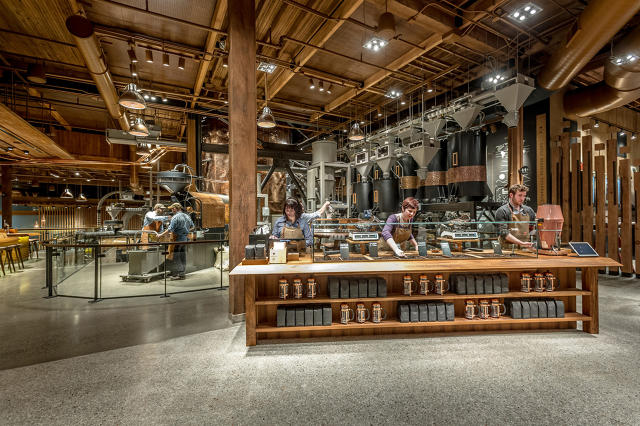
Branding Lessons from Brand Giants
In a recent article, brand and marketing specialist Alessandra Ghini shared a pair of branding lessons she learned during her time with both Starbucks and Apple, two of the leading brands on the marketplace today. They provide both insight and a hint of explanation to the successes of these brands.
Continue Reading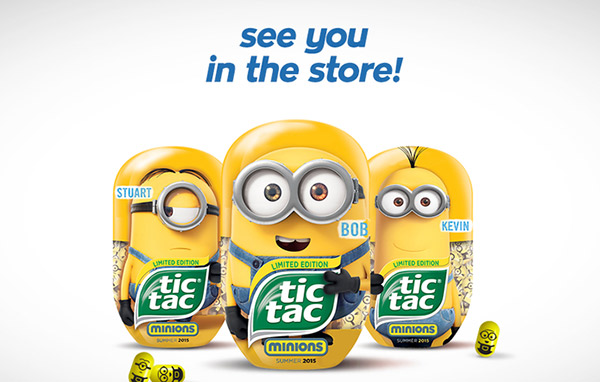
Would you like a Minion Tic Tac? The Strategy of Brand and Consumer Product Tie-ins
Everything from book bags and lunch boxes to toothbrushes and food items can be (and have been) branded in some way. For brands, it is an established way to get their brand strategy elements directly connected with their consumer audience. Even more desirable is when the consumers begin to associate that particular item with that brand.
Continue ReadingIs Brand Power Waning? (Part Two)
May 15, 2014
Is Brand Power Waning? (Part Two) Guest Blogger: Ashley Wiederhold Many industry leaders have long expected brands to lose their power as consumers become increasingly knowledgeable about their products, services, and behind-the-scenes activity, thanks to the World Wide Web. As an article published by the Harvard Business Review so aptly explains: “The case for the […]
Continue ReadingIs Brand Power Waning? (Part One)
May 13, 2014
Is Brand Power Waning? (Part One) Guest Blogger: Ashley Wiederhold An article in The New Yorker has raised some interesting questions: Despite all of the money, time, and energy that businesses invest in their brands, is brand power a thing of the past? Is the influence of a positive, strong brand waning? The argument put […]
Continue Reading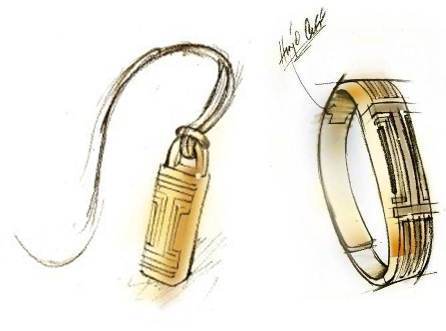
Fitbit, meet Tory Burch. Tory Burch, meet Fitbit…?
Fitbit, meet Tory Burch. Tory Burch, meet Fitbit…? More and more, companies are partnering to bring products and services to consumers that cross socioeconomic, demographic and psychographic lines. Sometimes, bringing two companies together not only reaches a larger audience, but it exponentially builds their brands. Think Apple and Nike, Eddie Bauer and Ford, The […]
Continue Reading
IBM: Building a Lasting Brand
IBM: Building a Lasting Brand Guest Blogger: Ashley Wiederhold It’s easy to take today’s big brands for granted; while we can see the process of small businesses developing their brand identities, it’s often assumed that large companies are large companies because they’ve nailed down successful brand strategies (among other things). But these big businesses certainly […]
Continue Reading
Brand Genius: Jack Dorsey
I was in a Bank of America a week ago and came across Fortune magazine’s 40 under 40 issue. I began flipping through the pages and stumbled across Jack Dorsey; I recognized the name, but only as the co-founder of Twitter. What I learned reading the article, and doing more research on Dorsey for […]
Continue ReadingDestination Branding: A Look at States and Countries around the World (Part Two)
August 22, 2013
Last year, more than one billion tourists travelled the world and five to six billion more were expected to have travelled within their own countries. With stats like that, a successful tourism brand could mean millions (or even billions) of dollars for a destination. On Tuesday, we continued our series on destination branding […]
Continue ReadingDestination Branding: A Look at States and Countries around the World (Part One)
August 20, 2013
Two weeks ago, we started a series on destination branding by looking at cities where we have offices worldwide (Charlotte, Munich, NYC, San Francisco, Seattle and Tokyo). A quick recap – Last year, more than one billion tourists travelled the world and five to six billion more were expected to have travelled within their […]
Continue Reading