Real-Time Marketing: Making It Work For Pharma Branders Let’s start by creating a baseline for this topic. What is real-time marketing (RTM)? Of all the attempts to define this marketing strategy, a blog post from Evergage sums it up quite nicely: RTM is “…the practice of brands engaging their audience via content, advertising, and product […]
Continue ReadingIs Brand Power Waning? (Part Two)
May 15, 2014
Is Brand Power Waning? (Part Two) Guest Blogger: Ashley Wiederhold Many industry leaders have long expected brands to lose their power as consumers become increasingly knowledgeable about their products, services, and behind-the-scenes activity, thanks to the World Wide Web. As an article published by the Harvard Business Review so aptly explains: “The case for the […]
Continue Reading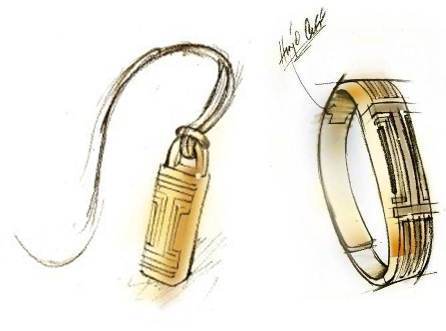
Fitbit, meet Tory Burch. Tory Burch, meet Fitbit…?
Fitbit, meet Tory Burch. Tory Burch, meet Fitbit…? More and more, companies are partnering to bring products and services to consumers that cross socioeconomic, demographic and psychographic lines. Sometimes, bringing two companies together not only reaches a larger audience, but it exponentially builds their brands. Think Apple and Nike, Eddie Bauer and Ford, The […]
Continue Reading
Richard Branson Communicates with Consumers, Builds Character with Branding
Richard Branson Communicates with Consumers, Builds Character with Branding Guest Blogger: Ashley Wiederhold “Brands exist as a means of communicating what to expect from a product or service,” explains Richard Branson in an article he wrote for Entrepreneur. This definition may seem simple—too simple—at first glance, but it conveys an often overlooked idea that is […]
Continue Reading
Brand Genius: Jack Dorsey
I was in a Bank of America a week ago and came across Fortune magazine’s 40 under 40 issue. I began flipping through the pages and stumbled across Jack Dorsey; I recognized the name, but only as the co-founder of Twitter. What I learned reading the article, and doing more research on Dorsey for […]
Continue ReadingBirchbox Delivers Brand Satisfaction
September 12, 2012
They say good things come in small packages. With products ranging from Luna bars, perfume, earbuds, green tea and mascara, brands are seizing the opportunity to distribute product samples in a little package called, Birchbox. Birchbox.com, is a subscription-based service that delivers a monthly box of beauty samples to your door for a small […]
Continue ReadingBrands Take to the Sky for Higher Reach
September 06, 2012
Airport security checkpoints create lines, pat-downs and frequent headaches for travelers. There are also the dull colored table trays on airplanes that make your snack and beverage look, well dull. Airlines have long wanted to engage travelers through these mediums so it was naturally when they invited companies to place advertisements on security checkpoint […]
Continue ReadingCommunity Naming: The Center
November 07, 2011
The idea: creative. The purpose: admirable. The name: underwhelming. Pegasus Global Holdings has secured 20 square miles in New Mexico to serve as a mock town where they can study the environmental and global effects of specific technologies. “Innovators … (can) to test renewable energy innovations in real world conditions, such as how does a […]
Continue ReadingHere’s to Steve
October 06, 2011
“Here’s to the crazy ones. The misfits. The rebels. The troublemakers. The round pegs in the square holes. The ones who see things differently. They’re not fond of rules. And they have no respect for the status quo. You can quote them, disagree with them, glorify or vilify them. About the only thing you can’t […]
Continue ReadingScandals: can they be good for a brand?
August 12, 2011
That iconic “swoosh” is easily recognized by millions of people around the world as the logo for Nike. Its influence reaches far and its endorsements are many, so it’s understandable that devout sports fans (and anyone that watches the news) remembers when Michael Vick lost his Nike endorsement after pleading guilty to dog fighting charges […]
Continue Reading