Brands today are increasingly influenced more to ensure that each and every aspect of their brand – from their logo and name to their employees and customer touch points – fit within a well-defined ethos, putting more value on these brand values and increasing their influence on the brand’s development and post-launch actions. But how can brands ensure that they have the necessary ingredients to bring their values to life every day?
Continue Reading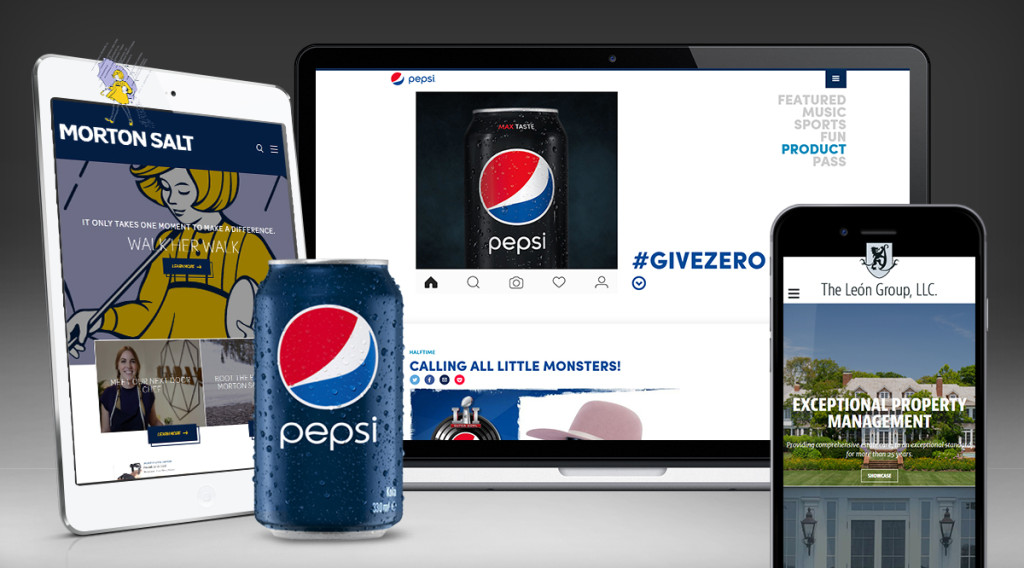
Teaching an Old Dog New Tricks – Why Branding Isn’t Just for New Businesses
March 30, 2017
Just because you’re an older organization that came to fruition before strategic brand building was commonplace doesn’t mean you’ve missed the boat. If your brand needs a refresh or a restart, don’t feel as if the latest and greatest branding techniques are only left to the upstarts and newcomers. Let’s explore three reasons why branding is important for the established organizations in the business world.
Continue Reading
How We Answer the Question: “Why Branding?”
March 28, 2017
Creating and growing any business is a process that can take large amounts of time and energy to achieve – that’s a given. So why not spend some of that time and energy to create something that will work for you even after it is launched? It’s a question we hear all of the time – “why do I need to create a brand? Why branding?” To me, the best way to answer this question is with a new question “What is branding?”
Continue Reading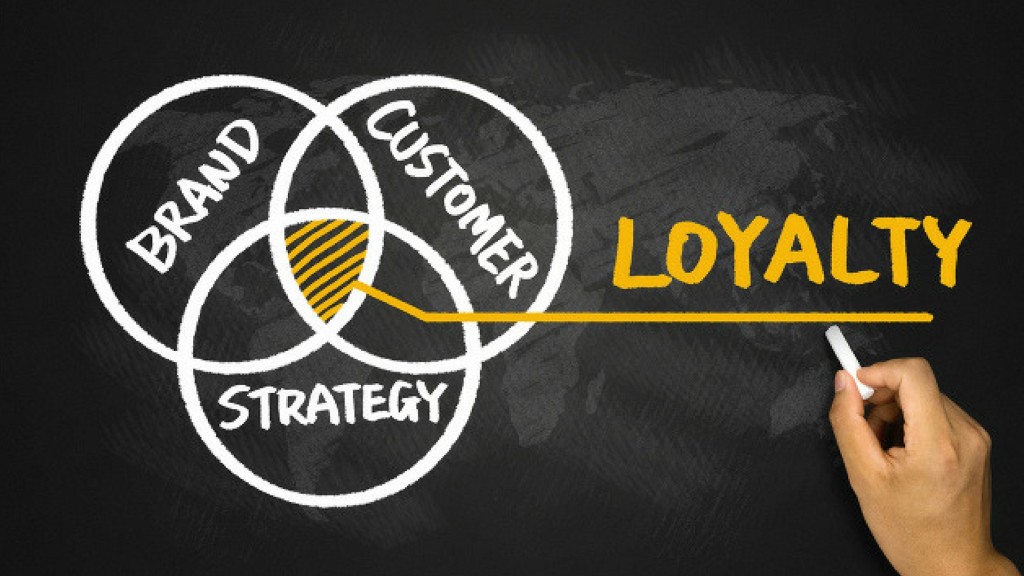
How Do You Know If You’ve Achieved True Brand Loyalty?
True brand loyalty supersedes these traditional purchase drivers, revealing itself as a force upon the consumer to which typical purchase-driving factors do not apply. How can you really know if you’ve achieved brand loyalty? Here are three indicators.
Continue Reading
The Key to Ensuring Smooth Sailing When Creating Your Brand
There you are. Right in the middle of building your brand, and things couldn’t be going any better. It’s been smooth sailing the whole time – you have created a name that you love, your visual brand development process has produced logos, color palates and collateral that are aesthetically appealing and have you sure they are on the fast track to iconic status. But don’t start printing the “best new brand” certificates quite yet.
Continue Reading
Action over Activity – 5 Ways to Efficiently Develop Your Brand
November 30, 2016
Developing a brand is not a knee-jerk process; moving too quickly and looking to take shortcuts will produce a brand that is incomplete and behind the game even before its launch. However, the amount of time spent on the brand development is not alone enough to ensure whether it will find success. No, it doesn’t matter as much HOW much time you spend, but WHAT you do in that time. The old business adage, “action always trumps activity” can also be applied to branding. Monitoring and making sure that your brand development is heavy on the action and light on activity, you can point the brand in the direction of efficiency from the very beginning. Here are a few ways to ensure this happens:
Continue Reading
Becoming a Tradition-Synonymous Brand
Over the years, brands have attached themselves to and eventually become synonymous with a holiday tradition. They’ve reached outside of their usual consumer audience and established brand equity with a portion of the marketplace with little to no brand knowledge outside of the name association. In doing so, they did something no advertising or marketing campaign could do – they became connected to tradition.
Continue Reading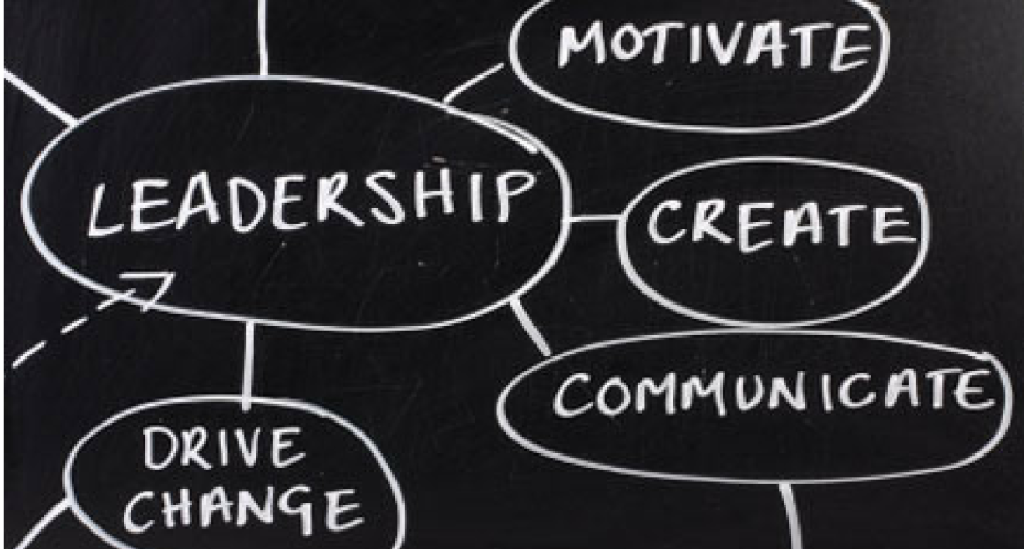
4 Characteristics of Leaders that Help Build Strong Brands
November 10, 2016
As with most aspects of business, a successful branding effort starts at the top. The brand must be developed in such a way and with an end product that provides for easy and full buy-in from leadership across the organization. But what is often overlooked is how the characteristics of the brand are not the only factors involved in leadership’s role with the brand. Leaders who wish to preside over successful brands must also possess certain characteristics in order to utilize their role in the organization to the fullest extent when dealing with the brand.
Continue Reading
How to Boldy Go Where Your Brand has Not Gone Before
To brands looking to find new areas in which they can establish a presence – find your unique. Find how your brand makes consumers feel, experience, think, etc. – whatever makes you stand out.
Continue Reading
Why You Should Keep the Focus in Your Brand Development
October 19, 2016
When it comes to brand building, this constant starting over and relying on chance-based efforts take up time and money, two crucial components to successfully build and create a brand. On the contrary, a focused, targeted and well-strategized brand building campaign will yield results at a much higher rate, and will provide the necessary data of what works and what doesn’t works to help build the road map moving forward.
Continue Reading